


Cold Stays Out
Taped seams and a windproof outer shell stop icy air from creeping in, so exposed chairlifts and open, gusty runs feel a lot less brutal.

Dry From Within
The breathable membrane lets sweat escape while snow and rain stay on the outside. No damp, clammy layers by the time lunch rolls around.

Weather-Ready
An adjustable hood, storm cuffs, and sealed pockets deal with sudden gusts, fresh snow, or a sharp temperature drop. Nothing extra to pack.
Find Your Ski Jacket
Each jacket here is cut for a different kind of mountain day. Compare fit, warmth, and features, then pick the one that matches the way you really ski or ride.
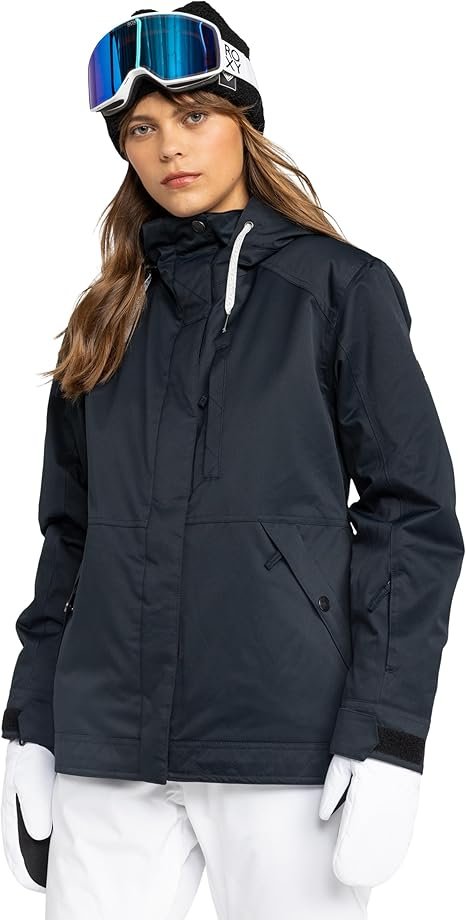
Insulated Waterproof Ski Jacket
A tailored snow jacket with built-in insulation and a 10K waterproof rating that keeps you warm and dry without the puffy, oversized look. The fabric is PFAS-free, so you get solid weather protection with a cleaner build. A smart pick if you want real warmth that doesn’t add bulk.
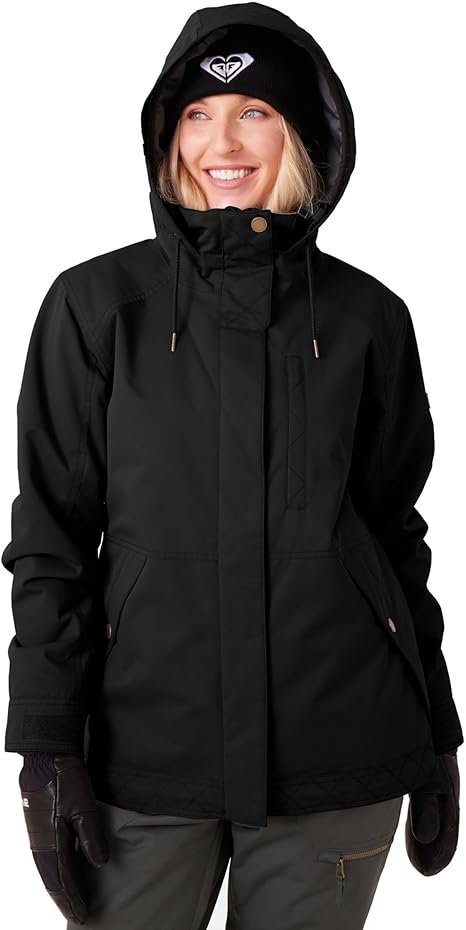
Tailored Fit Snow Jacket
This one sits closer to the body for a sharper, more fitted silhouette. Under the clean cut you still get warm insulation, 10K waterproof protection, and a PFAS-free shell. That’s enough to carry you through full days of laps, lift lines, and late-afternoon runs.
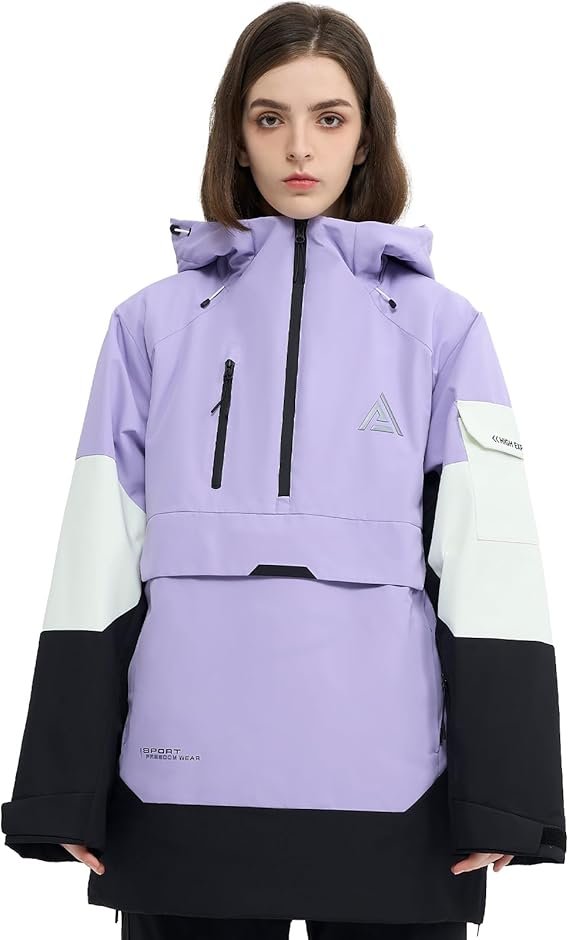
Insulated Snow Anorak Hoodie
A roomy pullover anorak with a hood, a waterproof shell, and warm insulation inside. The unisex, baggy fit leaves space for layers. It works as well for skiing as it does for snowboarding, which makes it an easy choice if you switch between the two.
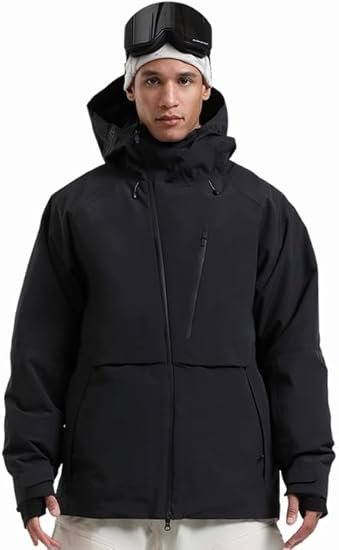
Windproof Insulated Snow Coat
Made for proper winter weather, this snow coat pairs a waterproof, windproof shell with dense insulation that holds heat in. When the wind picks up on the ridge and the temperature keeps falling, this is the coat that keeps you on the slopes instead of back at the lodge.
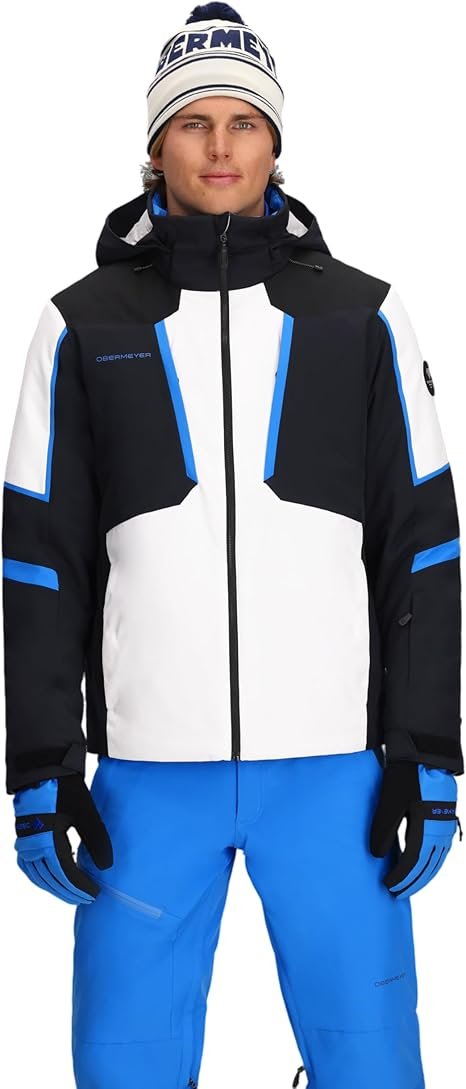
Classic Everyday Ski Jacket
A dependable insulated ski jacket for regular mountain conditions. It strikes a good balance between warmth and durability, and the clean, classic fit looks just as right on the hill as it does on the drive home.
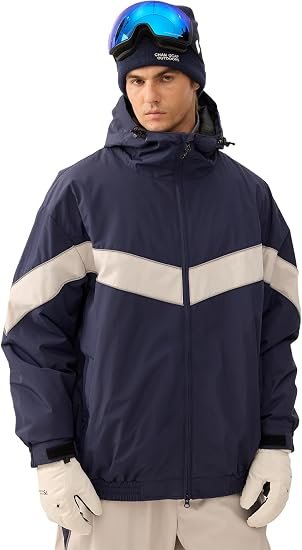
Baggy Hooded Snow Jacket
A loose, baggy-fit snow jacket with a hood and full waterproof protection for skiing or snowboarding. The reflective strip makes you easier to spot in flat light, at dusk, or on the walk back to the parking lot.
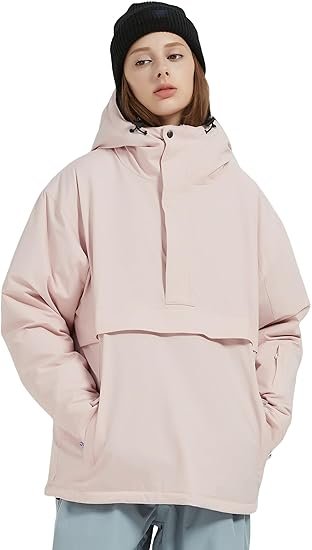
Oversized Hooded Snow Anorak
Relaxed, oversized, and properly warm. This hooded anorak gives you room to move and room to layer. Waterproof protection keeps snow out, and the laid-back baggy cut fits right in at the terrain park.
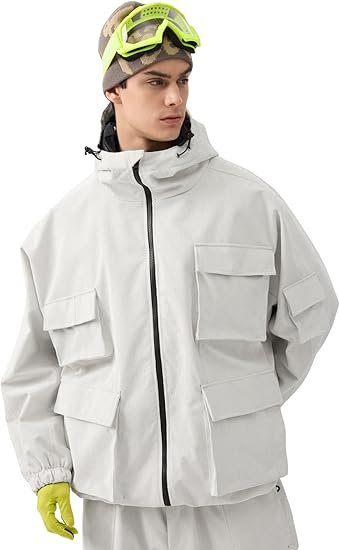
Cargo Pocket Snow Jacket
Cargo-style pockets give you plenty of room for a phone, snacks, gloves, and a spare beanie. The waterproof, windproof shell and warm build make this baggy jacket just as practical as it looks on a cold mountain day.
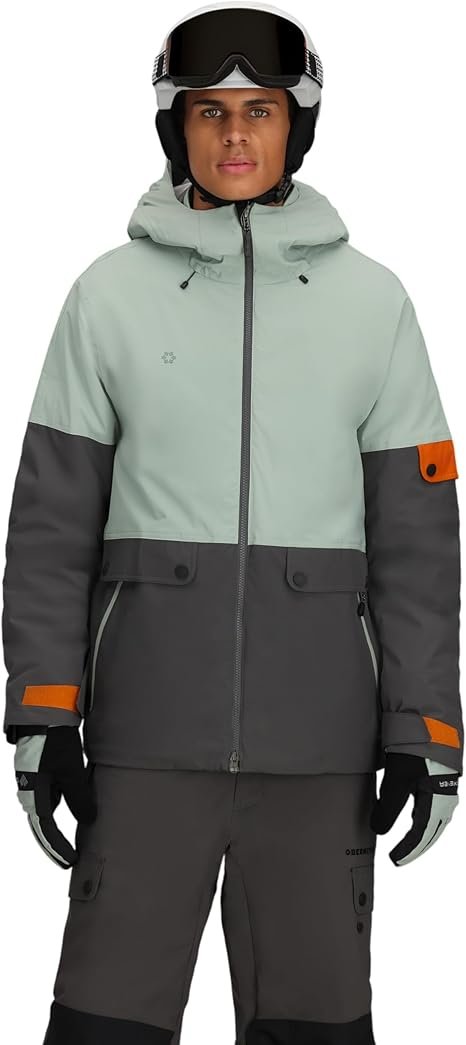
Stretch Waterproof Ski Jacket
With a 20K waterproof rating, 2-way stretch fabric, and breathable HydroBlock technology, this ski jacket bends and moves with you through every turn. Wet snow and wind stay outside, and you stay comfortable inside.
About brand
Halfdays grew out of a frustration plenty of women skiers know well: men’s gear cut a little smaller, switched to a “women’s” color, and sold as unisex. Kiley McKinnon, an Olympic freestyle skier, competed in gear like that for years. Her jackets pulled at the shoulders, bunched at the hips, and never really moved with her. In 2020 she teamed up with co-founder Ariana Ferwerda to make something better.
Today the brand designs technical ski and outdoor apparel for women from the first sketch. The shells are fully seam-taped and waterproof, rated up to 20,000 mm on jackets like the Aston and Lawrence. They come with the small details skiers actually use: a forearm pass pocket with a goggle wipe, a phone leash in the chest pocket, a beanie pocket, a snack pocket, and sizing that fits a real range of bodies. Many pieces use PrimaLoft® Black ECO insulation and recycled polyester shells. The colors are bold, the performance is serious, and every style is tested on the mountain first.
What started as a ski jacket label is now a full mountain line: base layers, fleece, hiking gear, puffers, and one-piece snow suits, with skiing still at the center. You’ll find Halfdays at REI, Dick’s Sporting Goods, Revolve, and Sporting Life. Its following of women who ski a few times each winter keeps growing, because they want gear that keeps up with the rest of their lives.
Subscribe to newsletter
FAQ
The outer shell is fully waterproof, and every seam is taped, so moisture can’t sneak in through the stitching. That’s been tested in both wet snow and rain. Under the shell, insulation traps body heat, and a breathable membrane lets sweat escape. Ratings vary by model, from 10K up to 20K, so check the specs on each jacket.
They’re made for skiers and snowboarders who want real weather protection without a boxy cut. The patterns are built around a wider size range and different body shapes, so proportions stay flattering across sizes. Fitted styles run a little closer than standard ski wear. Most people stick with their usual size through the shoulders and body, and if you like extra room for layering, going one size up is a common move. Baggy and oversized styles are cut roomy on purpose.
Treat it as your outer layer. Like most insulated shells, it’s designed to work with layers underneath: below about 15°F, add a base layer and a midlayer for full warmth. These jackets lean warm, so on high-output days, uphill hikes, or milder weather, open the underarm vents on models that have them before you start to overheat. Most people feel the difference on their very first day out.
Several jackets in this lineup use PFAS-free fabrics, so you get waterproof protection without that group of “forever chemicals” in the finish. The exact fabric and insulation details are listed on each product page. If eco-friendly materials matter to you, look for PFAS-free or recycled-fabric labels in the specs.
The shells and taped seams are made for repeat wear, winter after winter. Pockets are placed with skiing in mind: the pass pocket, goggle wipe, and phone storage are easy to reach with gloves on, so they’re there to be used, not for decoration. To keep the waterproofing working, wash with a technical detergent, follow the care tag, and apply a reproofing product when water stops beading on the surface.
You’re paying for things a budget coat skips: taped seams, a real waterproof rating, a breathable membrane, insulation made for hours in the cold, and ski-specific details like storm cuffs and pass pockets. A cheaper jacket can feel fine in the parking lot, then soak through by the second run. Spread over several winters, a solid ski jacket usually works out to less per day on the mountain.
A city puffer is made for short walks between warm places. A ski jacket is made for hours outside. You get a waterproof, windproof shell, storm cuffs that seal out snow, a hood that fits over a helmet on many models, and vents for when you heat up. Most everyday puffers are water-resistant at best and can soak through in heavy snow. If you plan to ski or ride, the technical jacket is the safer bet.
Yes, as long as you follow the tag’s care instructions — using a technical detergent and reproofing product when needed keeps the waterproofing intact over time.
Ask your question
Testimonials
First-timers and longtime skiers took these jackets into real winter weather. Here’s how they held up.
I’ve been buying ski jackets for more than ten years, and this is the first one that fits my body without feeling bulky or boxy. Wore it at 12°F with just one midlayer underneath and stayed warm from first chair to last.

Jessica, 34
Normally I keep it simple with basic gear, so I didn’t expect much. The shoulders fit well without feeling stiff, and it kept me warm through a whole day of lift lines and runs. Pleasant surprise.

Ryan, 29
Took it to Colorado when temps were in the single digits and stayed comfortable the entire trip. The vents really work, too. I hiked up to a few off-piste spots and never overheated.